Many adults can't remember the last time they were properly bad at something. For most of us it was years ago. Somewhere after school we settle into the things we already know how to do. Without really deciding to, we stop putting ourselves in situations where we might look clumsy.
That makes sense. Being a beginner can feel exposing, and it's uncomfortable to fumble in front of other people. The catch is that avoiding the beginner stage also means missing out on one of the best confidence builders there is. Learning a new skill from scratch, and watching yourself get better at it, gives you a kind of self-belief that's hard to get any other way.
Where confidence comes from
Psychologist Albert Bandura spent much of his career studying what he called self-efficacy, which is your belief that you can handle a particular task or challenge. He described several sources of that belief, and the most powerful was what he called mastery experience. In plain terms, this is the experience of succeeding at something through your own effort.
Being told you can do something helps a little. Watching someone else do it helps a bit more. Nothing beats the evidence of having done it yourself, especially when it was difficult at first. That's why learning a physical skill can be so good for confidence. Each small improvement is proof you can see and feel.
Why boxing is a good skill to learn as an adult
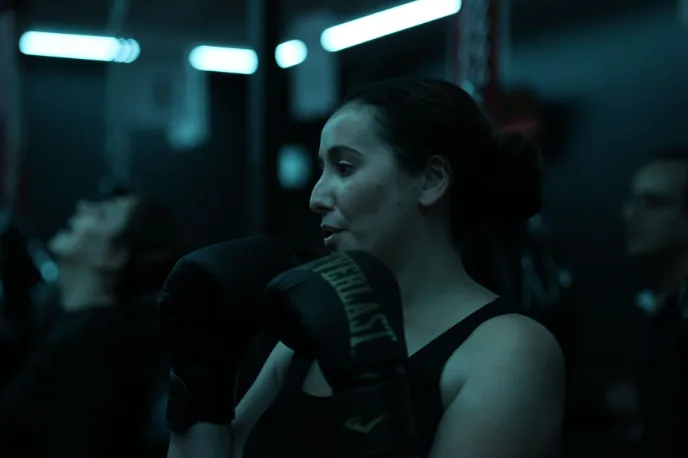
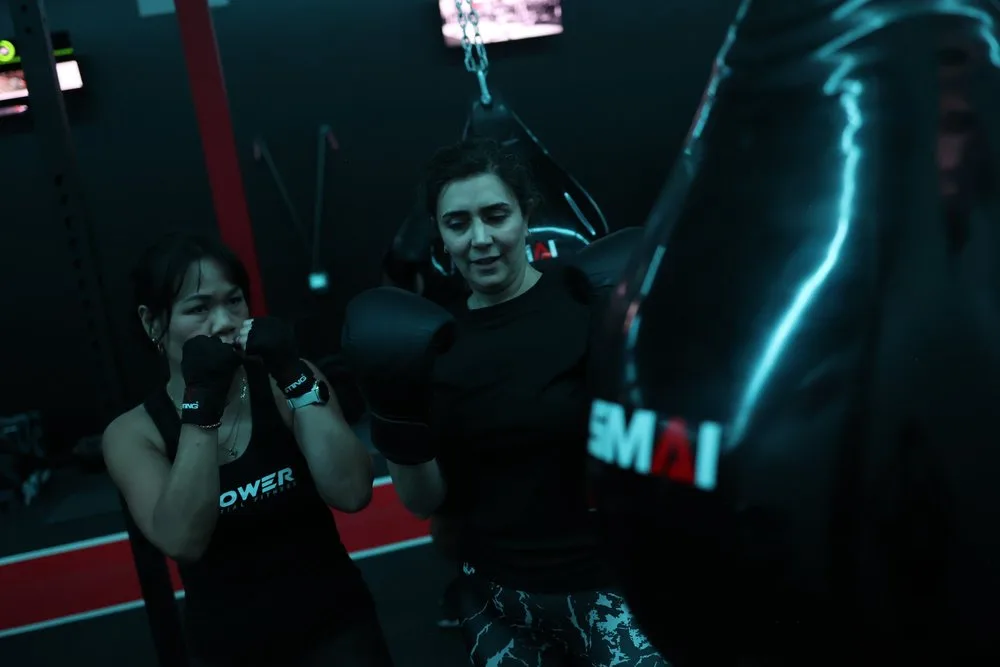
Boxing suits adult learners well because it can be broken down into clear, teachable steps. At MPower, we don't expect anyone to know how to punch when they arrive. Our trainers teach everything from how to wrap your hands to how to throw your first jab, then build from there.
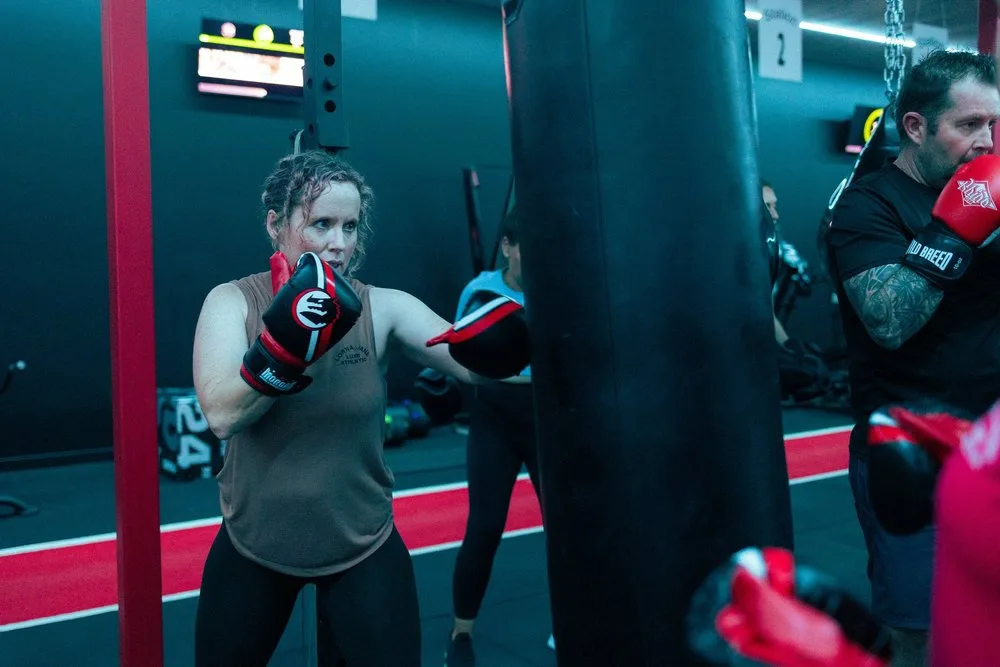
The early skills stack on top of each other in a logical order. You learn a stance first, then how to keep your guard up. After that comes a jab and then a cross. Before long you're putting short combinations together. Each step is small enough to manage, and each one makes the next feel possible.
It's also very clear when you've improved. A punch that felt awkward in week one starts to feel smooth by week four. Combinations that used to confuse you become automatic. Those are mastery experiences in action.
The awkward stage is normal
Most people move through a fairly predictable pattern when they learn a physical skill.
- Everything feels strange. You're thinking about your feet and hands at the same time as your breathing. It's hard to do any of them well. This is where most people feel like giving up.
- You can do it if you concentrate. The movements start to make sense, but you still need to think through each part. Mistakes happen when you get tired or distracted.
- It starts to happen on its own. Your body does the basic movements without you thinking about them, which frees your attention for timing and power.
The first stage is the one that puts people off, and it's also the shortest. Knowing that it passes makes it much easier to stick with. If your first few Box classes feel clumsy, you're right where everyone starts.
How to get through the beginner stage with your confidence intact
Expect to get things wrong. Mixing up your left and right or forgetting a combination is part of learning. Coaches see it all the time and will simply show you again.
Ask questions. Every MPower class is coach-led, and our trainers offer personalised attention with modifications or extra challenge depending on where you're at. If a cue doesn't make sense, ask for it to be explained another way.
Focus on one thing per session. Trying to fix everything at once is overwhelming. Pick one cue, such as keeping your chin tucked or turning your back foot on the cross, and give it your full attention for a whole class.
Notice small wins. The first time you get through a combination without stopping, or your guard stays up for a full round, take a moment to register it. These moments are easy to brush past, and they're exactly the evidence your confidence is built on.
Practise a little between classes. A few minutes of slow shadowboxing at home, with no bag and no gloves, helps the movements settle in. Stand in your stance in front of a mirror and throw slow jabs and crosses, checking that your guard comes back to your face each time. Keep it gentle and focus on shape rather than speed.
Compare yourself with your past self. Other people in the room may have been training for months or years. The fair comparison is between you now and you a few weeks ago.
Confidence that carries outside the studio
Something interesting happens once you've been through the beginner stage of one skill. You start to trust that you can get through it again. The memory of feeling clumsy in your first class, and then getting better, becomes something you can draw on when you face a new challenge somewhere else.
That might be speaking up in a meeting or picking up a hobby you've been putting off. It could be a new role at work. The specific skill matters less than the lesson underneath it. You've proven to yourself that "I can't do this yet" is a starting point.
Look after your body while you learn
Learning a new physical skill is a great challenge, but it should be done safely. Check with your GP or physio before you start if you have an existing injury or a heart condition. The same applies if you're pregnant or returning to exercise after a long break. Let your trainer know about anything relevant so they can modify movements for you. It's also normal to feel some muscle soreness in the first couple of weeks as your body gets used to new movements.
Give yourself permission to start
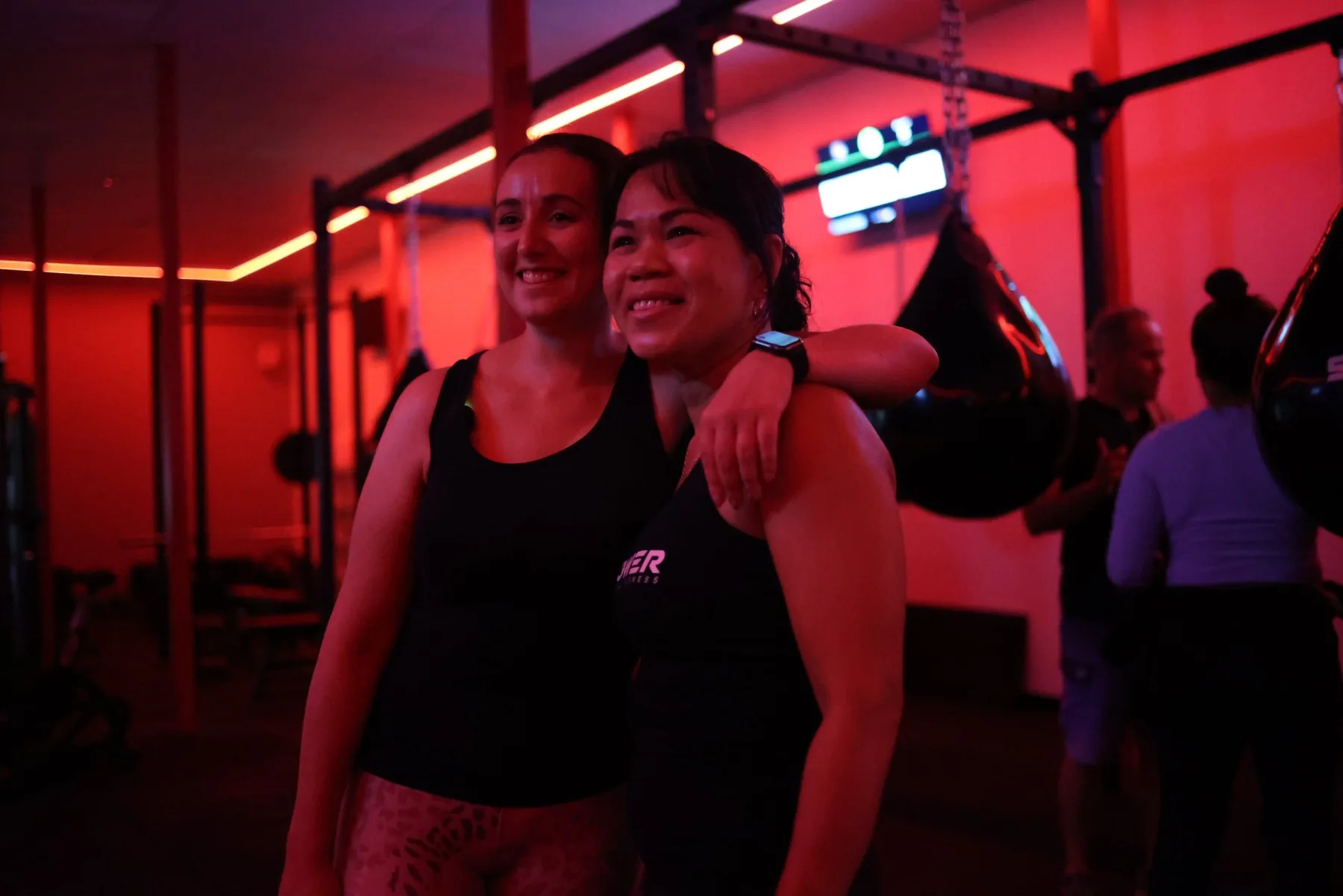
Being a beginner takes some courage, and that courage is the first step in building confidence. You don't need to be fit to start, and you don't need any experience.
If boxing is something you've been curious about, MPower is offering a limited number of new members their first 2 weeks of unlimited Box Build & Burn classes free. You'll receive free boxing gloves to keep and a free Myzone heart rate monitor, with a $0 joining fee. Have a look at what's involved in our Box classes, then claim your 2 weeks free and start learning.