As spring warms up and summer gets closer, training starts to feel different. The same Burn class that felt fine in July can leave you drenched and puffing harder in December. Warm, humid days add extra load to your body, and your heart has to work harder to keep you cool while you exercise.
The good news is that a few simple changes let you keep training consistently through the warmer months. This guide covers what heat does to your body during exercise, how to stay hydrated, how to choose class times and what warning signs to watch for.
What heat does during exercise
When you train, your muscles produce heat. Your body gets rid of it mainly by sweating and by sending more blood to the skin. On a hot or humid day, both of those systems have to work harder. Humidity is a particular challenge in coastal areas like Wollongong, because sweat evaporates more slowly when the air is already moist, so it cools you less.
You may notice that:
- your heart rate is higher than usual for the same effort
- you sweat earlier and more heavily
- you feel tired sooner
- your Myzone colours climb faster than they do in cooler weather
All of that is normal. It means you need to adjust your expectations on hot days and pay more attention to how you're feeling.
Staying hydrated around class
NSW Health's Beat the Heat advice is to drink water throughout the day, even if you don't feel thirsty, and to carry a water bottle when you go out. That applies to training too.
Before class
Start your session well hydrated. That means drinking regularly through the day, not trying to catch up with a big bottle in the car on the way. A good sign of reasonable hydration is pale yellow urine. Dark urine suggests you need more fluid.
If you train at 6:00 am, have a glass of water when you wake up and bring a full bottle with you.
During class
Take sips during breaks between rounds or stations. You don't need to gulp large amounts at once. Bring a bottle big enough to last the whole session.
After class
Keep drinking over the next few hours. Heavy sweaters coming off a long or very hard session in the heat may find a salty snack helps replace what they've lost. Plain water and normal meals are enough for most people doing a typical group class.
If you have a heart or kidney condition, or your doctor has told you to limit fluids, ask your GP how much you should drink when exercising in hot weather.
Choosing your class times
NSW Health recommends doing physical activity early in the morning when it's cooler, and staying out of the sun during the hottest part of the day. If you find the heat hard, early sessions can make a real difference.
MPower's timetable includes 6:00 am classes on several weekdays. There are also mid-morning and evening sessions plus a Saturday morning class. Early starts are usually the coolest part of the day in summer. Evening sessions can also work, but on very hot days the evening can stay warm, so pay attention to how you feel.
Check the timetable to see which sessions run on which days.
Dressing for warm weather
Light, breathable clothing helps you stay cool. Look for:
- moisture-wicking t-shirts or singlets
- shorts or light leggings
- breathable socks and supportive training shoes
- a small towel for wiping sweat
Cotton holds sweat and gets heavy, so many people prefer technical fabrics in summer. Wear a hat and sunscreen if you're walking or riding to class during the day.
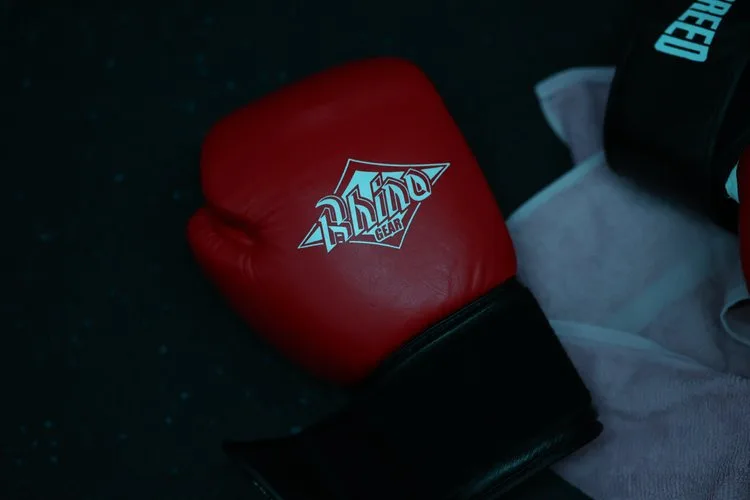
Gloves get sweaty fast in warm weather. Air them out after every session and let them dry fully before your next class.
Adjusting your effort on hot days
On hot or humid days, aim to work by feel and by your Myzone zones rather than trying to match your best performance. Your heart rate will tend to run higher for the same work, so you might be in yellow doing what usually puts you in green. That's fine. Take the easier option when you need it and use the rest periods fully.
It also helps to get used to warmer conditions gradually. Your body adapts to heat over a week or two of regular exercise, so the first hot week of the season often feels hardest.
Who needs extra care in the heat
Some people are more affected by hot weather and should be especially careful. This includes people who:
- are pregnant
- have a heart or lung condition
- have kidney disease
- take medications that affect fluid balance or heart rate
- are older
- are unwell, or have recently been unwell
If any of these apply, check with your GP about exercising in hot weather and let your trainer know before class.
Warning signs of heat illness
Heat exhaustion can happen when you lose a lot of fluid through sweating and don't replace it. Signs can include:
- heavy sweating
- dizziness or feeling faint
- headache
- nausea or vomiting
- muscle cramps
- pale, clammy skin
- a fast, weak pulse
- extreme tiredness
If you notice any of these in class, stop and tell your trainer. Move to a cooler spot and sip water while you rest. If symptoms don't improve quickly, get medical help.
Heatstroke is more serious and is a medical emergency. Signs include confusion and slurred speech. Collapse or seizures are also warning signs, and the skin may be hot and dry. If you see these, call 000 straight away and start cooling the person while you wait.
Simple summer training checklist
- Drink water regularly through the day, not just at class.
- Bring a full water bottle and a towel to every session.
- Choose earlier classes when the forecast is hot.
- Wear light, breathable clothing.
- Work by your Myzone zones and how you feel rather than chasing your best numbers.
- Know the signs of heat exhaustion and stop if you notice them.
- Air out your gloves after every class.
Keep training through summer
Summer is a great time to build a strong training habit, with long light evenings and early sunrises making it easier to get to class. Plan your early sessions on the timetable. If you're new, MPower's 2 weeks free offer on the membership page gives you two weeks of unlimited classes, and you'll get free boxing gloves and a Myzone heart rate monitor with it.